Oil sludge is a complex and hazardous waste generated from oil refineries, storage tanks, and oil spill sites. Treating it efficiently is a major environmental and operational challenge. Unlike conventional incineration, thermal desorption offers a controlled, non-combustive approach that removes hydrocarbons without producing excessive secondary pollutants. This technology ensures both environmental compliance and high recovery of valuable resources.
Understanding Thermal Desorption for Oil Sludge
At its core, thermal desorption unit works by heating oil sludge to a precise temperature that causes volatile and semi-volatile hydrocarbons to vaporize. This process does not burn the sludge directly; instead, it relies on controlled temperature to separate contaminants. By avoiding direct combustion, the method reduces the formation of dioxins, NOx, and other harmful gases, making it far safer than simple incineration. After heating, the evaporated hydrocarbons are collected and condensed for reuse or further treatment, while the residual solids are rendered inert and suitable for safe disposal.
Beston Group’s Indirect Heating Technology
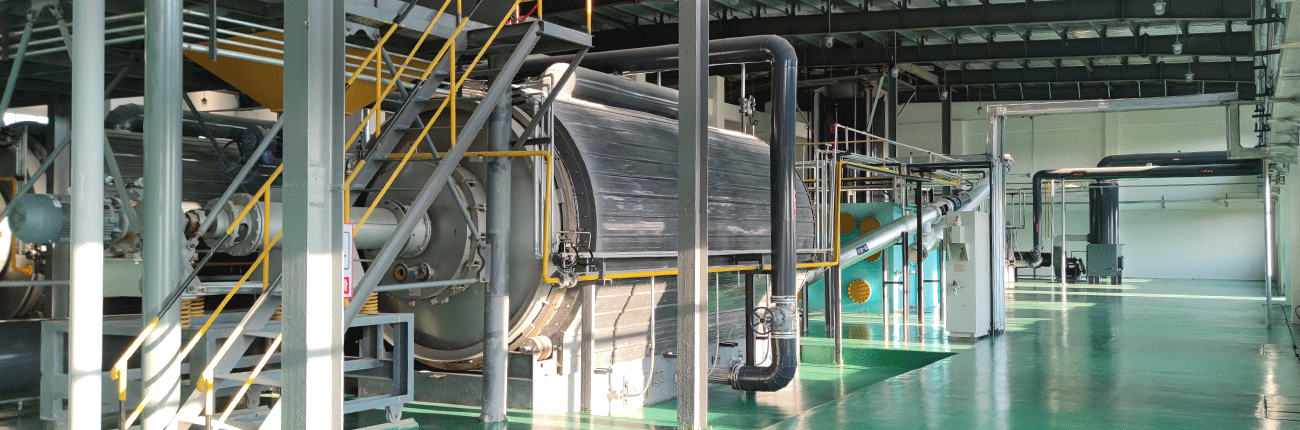
One of the main challenges in oil sludge treatment is uneven heating, which can lead to incomplete hydrocarbon removal or localized burning. Beston Group’s indirect heating technology addresses this by separating the heat source from the sludge itself. Hot gases circulate around the sludge chamber rather than coming into direct contact, allowing precise temperature control. This method not only improves heat transfer efficiency but also minimizes the risk of thermal degradation of valuable hydrocarbons, maximizing resource recovery.
Additionally, indirect heating reduces the chances of hot spots that often cause coking or carbonization. By maintaining an even temperature distribution, the process ensures that the sludge is uniformly treated, producing consistent quality residues and recoverable oils. Industries utilizing Beston oil sludge pyrolysis plant report higher efficiency and lower downtime compared to traditional direct-heating or rotary kiln methods.
Anti-Coking and Residue Management
Coking is one of the most persistent problems in oil sludge thermal desorption. Sticky residues can adhere to reactor walls, reducing heat transfer and leading to operational interruptions. Beston Group’s pyrolysis system incorporate specialized in-chamber residue cleaning mechanisms that continuously remove deposited solids. This design prevents fouling, maintains consistent heat distribution, and enhances overall process efficiency.
Furthermore, anti-coking features extend equipment lifespan and reduce maintenance costs. Operators benefit from lower downtime, reduced labor for manual cleaning, and more predictable production rates. This makes thermal desorption an economically attractive solution for high-volume oil sludge processing.
Environmental and Operational Advantages
Beyond technical improvements, thermal desorption offers significant environmental benefits. By volatilizing hydrocarbons rather than combusting them, the process limits harmful emissions. Collected hydrocarbon vapors can be condensed into reusable fuel, promoting circular economy principles. Eco-friendly oil sludge treatment not only meets stringent regulatory standards but also transforms waste into valuable products.
Operationally, the Beston Group‘s thermal desorption line is modular and adaptable, suitable for different sludge compositions and moisture contents. Its precise temperature control, indirect heating, and anti-coking mechanisms ensure continuous, safe, and efficient operation. Companies can scale treatment capacities from small pilot projects to large industrial facilities without sacrificing performance or compliance.

Conclusion
Oil sludge is a challenging waste stream, but specialized thermal desorption technology provides a solution that is both environmentally responsible and operationally efficient. By leveraging Beston’s indirect heating and anti-coking innovations, operators can maximize hydrocarbon recovery, minimize emissions, and prevent the common pitfalls of sludge treatment. As environmental regulations tighten and the demand for resource recovery grows, investing in advanced thermal desorption systems represents a smart and sustainable choice for the oil industry.